
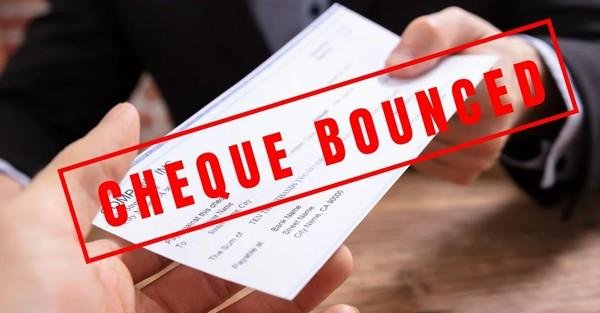
In India, cheques are commonly used for financial transactions, particularly in business. They are convenient, legally enforced, and safe. However, when a check bounces, it can result in financial loss, legal battles, and criminal charges. Cheque bounce instances, therefore, are a big problem for both organizations and people. Understanding the legal framework, reasons, procedures, and recovery options is essential for both payees and drawers. Cheque Bounce and Recovery Cases, legal procedures under the Negotiable Instruments Act of 1881, and practical steps for recovering bounced cheque payments.
What is a Cheque Bounce?
A cheque bounce, also known as cheque dishonour, occurs when a bank refuses to respect a cheque issued by the drawer. Common causes include insufficient funds, canceled accounts, signature mismatches, and technical issues. Cheque bounce is not only a civil matter; it also carries criminal culpability under Section 138 of the Negotiable Instruments Act.
The legal definition under Section 138 is specific: a cheque issued for “the discharge of a legally enforceable debt or liability” that is dishonoured due to insufficient funds, exceeding the account amount, or other reasons is considered an infraction.
Legal Provisions Governing Cheque Bounce & Recovery Cases
The Negotiable Instruments Act of 1881 governs most cheque bounce issues, and it provides both criminal and civil remedies. Key sections include:
Criminal Liability in Cheque Bounce & Recovery Cases – Section 138
- Dishonouring a cheque becomes a criminal offense if it is for inadequate funds or exceeds the account balance.
- Penalty: Up to two years in prison, a fine of up to twice the amount of the cheque, or both.
Presumption in Favor of Payee – Section 139
- Assume the cheque was issued for a legally enforceable debt, which shifts the burden of proof to the drawer.
Cognizance of Cheque Bounce & Recovery Cases – Section 142
- Only a competent court can take notice of cheque bounce offenses, providing proper legal procedure.
Other Sections
- Sections 147-148 deal with complaint procedures.
Section 142A: Allows for summary trials in certain circumstances to speed proceedings.
Common Causes of Cheque Bounce
Understanding the reasons behind cheque dishonour helps prevent disputes. Common causes include:
- Insufficient Funds: The drawer’s account is insufficiently balanced to honor the cheque.
- Account Closure: The bank account gets closed once the cheque is issued.
- Signature Mismatch: Discrepancies between the signature on the check and the bank records.
- Post-dated Cheques: Presenting a check before its intended date.
- Technical Errors: Incomplete information, illegible handwriting, or altered cheques.
Procedure for Filing Cheque Bounce & Recovery Cases
Filing cheque bounce lawsuits necessitates rigorous adherence to legal schedules and procedures. Steps include:
Present the Cheque
The payee presents the cheque to the bank within its validity period (often three months from the date of issue). If the cheque bounces, the bank will send a cheque dishonour memo.
Send Legal Notice
- The payee must provide written notice within 30 days of receiving the dishonour memo.
- The notice requires payment of the cheque amount and warns of legal action under Section 138.
Wait for Response
The drawer has fifteen days to pay. If payment is made, the case is settled peacefully.
File a Complaint
- If the drawer fails to pay, the payee may file a criminal complaint within one month of the notice period’s expiration.
- Include information about the cheque, dishonour memo, and notification letters.
Court Proceedings
Courts can summon the drawer, grant settlement, or proceed to trial. Remedies may include criminal punishment and civil recovery..
Recovery Mechanisms in Cheque Bounce & Recovery Cases
Recovering money from a bounced cheque requires several mechanisms:
1. Negotiation and Settlement
Out-of-court settlements are preferable because they save time, money, and allow businesses to continue partnerships.
2. Criminal Proceedings
- Filing under Section 138 establishes criminal responsibility.
- Conviction can result in penalties, imprisonment, and the payment of a cheque amount.
3. Civil Recovery
- Payees might launch a civil suit to recover the cheque amount plus interest.
- Courts have the authority to order the attachment of assets, bank accounts, or the drawer’s property.
4. Summary Recovery Methods
- Courts may permit summary processes for faster recovery.
- Pre-litigation notices or arbitration can lead to an early resolution.
Key Considerations in Cheque Bounce & Recovery Cases
- Strict Timelines: Remedies may not be available if notice or complaint deadlines are missed.
- Proper Documentation: Keep copies of the notice, the dishonor memo, and the check.
- Burden of Proof: Although Section 139 is helpful, the case is strengthened by documentary proof.
- Legal Representation: Court representation and case formulation are enhanced by seasoned advocates.
- Alternative Dispute Resolution (ADR): Arbitration or mediation can settle conflicts more quickly and peacefully.
Challenges in Cheque Bounce & Recovery Cases
Despite strict laws, recovery can be challenging due to:
- Evasion by the Drawer: Taking or concealing assets.
- Time-Consuming Litigation: Courts can take years to render final verdict.
- Multiple Jurisdictions: Disputes between states may impede filing.
- Financial Instability of Drawer: Even if the court rules in favor of the payee, the drawer may have insufficient funds.
Asset tracking, mediation, and pre-litigation settlement are all practical tactics that can help increase recovery outcomes.
Best Practices for Businesses and Individuals
- Avoid post-dated cheques unless absolutely essential.
- Maintain accurate account balances to avoid dishonour.
- Use legal notices as soon as a cheque is dishonored.
- Maintain detailed records of all transactions and communications.
- Consult with legal experts early on to strategize both criminal and civil recoveries.
- Encourage digital payments to mitigate the hazards associated with cheques.
Recent Trends and Judicial Interpretations
Indian courts have clarified several aspects of cheque bounce cases:
- Electronic Cheques and Digital Payments: Courts accept electronic instruments that meet legal requirements.
- Presumption of obligation: To avoid accountability, the drawer must prove that the obligation did not exist or was resolved.
- Settlement During Trial: Courts frequently accept settlements after filing, encouraging amicable resolution.
- Penalties for Frivolous Notices: Malicious or improper notices might work against the payee.
Conclusion
Cheque bounce instances are a financial and legal issue. The Negotiable Instruments Act of 1881 provides effective criminal and civil remedies; however, rigorous adherence to procedure, accurate documentation, and early action are required.
Cheque dishonour has an influence on firms’ credibility, reputation, and financial stability. Proactive efforts, such as reconciliation, reminders, settlements, and digital payments, boost recovery rates. Individuals and organizations can properly handle Cheque Bounce & Recovery Cases by understanding the law, following proper procedures, and responding quickly.